Home Loans for Medical Professionals: A First-Time Buyer's Roadmap
📖 12 min read • Updated Feb 2026
Buying your first home as a medical professional comes with timing challenges no other profession faces. You match to a program in March, start in July and need housing immediately. Or you're finishing fellowship and starting an attending position 1,200 miles away. The mortgage industry wasn't built for your timeline. But specialized home loans for medical professionals were.
I've helped residents close on homes before their first day at a new program. I've worked with fellows who had 48 hours to find housing after a last-minute match change. The process works when you understand how physician lending differs from conventional mortgages and when you start preparing before the rush hits.

Key Takeaway
Medical professionals can buy homes with 0% down, no PMI and contract-based income qualification. Start the pre-approval process 3-6 months before you need to move. Your signed employment contract serves as income proof—even before your first paycheck.
When Should Medical Professionals Start the Home Buying Process
Timing depends on your career stage. Here's a realistic timeline for each situation:
Matching to Residency (September-March)
Start gathering documents in September. Get pre-approved in January so you're ready to make offers after Match Day in March. You'll need to close before July 1 start dates. That's tight but doable with the right lender.
Transitioning From Residency to Attending (6 months out)
Begin the process once you have a signed employment contract. Most physicians get offers 6-9 months before start date. That's plenty of time to buy. Get pre-approved immediately after signing your contract.
Relocating for a New Position (3 months out)
If you're moving for a new role with a signed contract, 3 months is workable. It's fast but physician programs are designed for these timelines. Get pre-approved before you start house hunting.
Your Medical Degree Changes the Mortgage Math
Standard mortgage rules penalize everything about your financial profile. High student debt, short employment history, recent job changes—conventional lenders see red flags. Physician home loan programs see the opposite.
Your signed employment contract qualifies as income proof. No paystubs needed. Your actual IDR student loan payment counts instead of the 1% of balance rule. And your medical credential gets you 0% down with no PMI—benefits that save hundreds monthly.
The result: a medical resident earning $65,000 with $250,000 in student debt can qualify for a $400,000+ home. Under conventional rules, that same resident might not qualify for anything.
Step 1: Get Your Financial Documents Ready
Before you talk to a lender, gather these items:
- Employment contract — Signed by both parties with salary, start date and position details
- Medical credential verification — License number or degree documentation
- Student loan IDR letter — Get this from your loan servicer (takes 2-3 weeks)
- Bank statements — Last 2-3 months from all accounts
- Photo ID — Driver's license or passport
- Credit report — Pull your own to check for errors first
The IDR letter is the document most physicians forget. Request it early. Without it, your lender may default to the 1% calculation that reduces your buying power by $100,000+.

Step 2: Get Pre-Approved (Not Pre-Qualified)
Pre-qualification is a guess. Pre-approval is a commitment. Big difference.
Pre-qualification involves a quick conversation and rough estimate. No documents verified. No credit pulled. Sellers don't take pre-qual letters seriously.
Pre-approval involves document verification, credit check and underwriter review. The lender commits to specific loan terms. Sellers know you can actually close. In competitive markets, a pre-approval letter is table stakes.
Physician mortgage pre-approvals typically take 24-48 hours. Start your application here—it takes about 2 minutes.
Step 3: Find a Real Estate Agent Who Gets Your Timeline
Not every agent understands physician timelines. You need someone who can move fast, coordinate remotely (if you're relocating) and handle the compressed schedule that comes with medical transitions.
Ask potential agents:
- Have you worked with physicians or residents before?
- Can you do virtual tours and video walkthroughs for remote buyers?
- Are you available evenings and weekends? (Your schedule is packed.)
- How fast can you get me into properties once they list?
Your lender can often recommend agents experienced with physician buyers. We regularly connect our clients with agents who understand the drill.
Step 4: House Hunt With Your Budget in Mind
Just because you qualify for a $800,000 mortgage doesn't mean you should spend that much. Medical professionals face unique financial pressures—student loan payments, malpractice insurance, CME costs, potential practice buy-ins. Leave margin in your budget for these realities.
A practical approach: keep your total housing cost (mortgage, taxes, insurance) below 28% of your gross monthly income. If your attending salary will be $300,000, that means keeping total housing under $7,000/month.
Use our mortgage calculator to see what different price points look like with physician program rates.
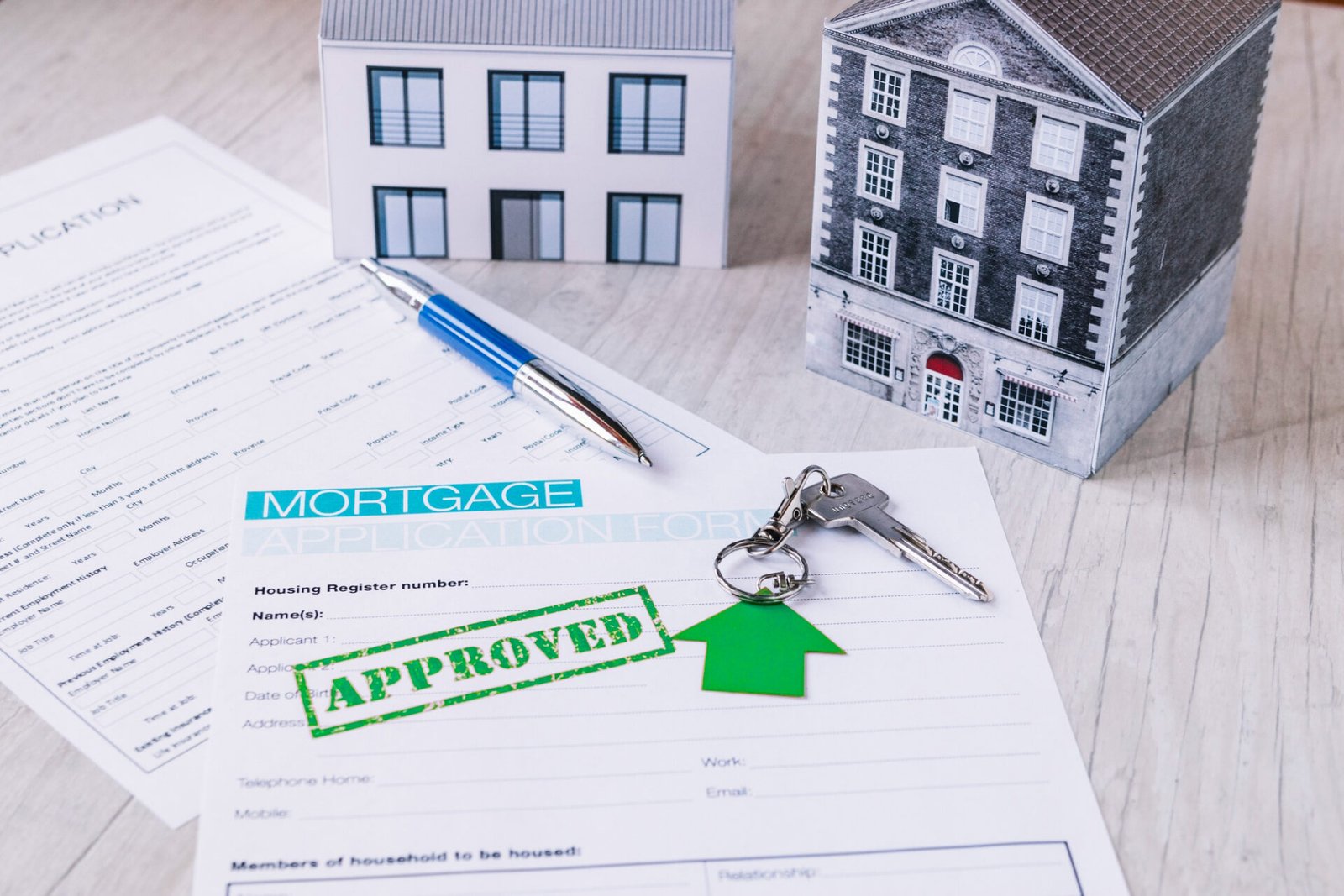
Step 5: Make an Offer and Handle Due Diligence
Once you find the right home, your agent helps craft an offer. Include standard contingencies: financing, inspection and appraisal. In competitive markets you might consider shortening contingency periods rather than waiving them entirely.
Always get a home inspection. Yes, it adds $300-$500 to your costs. But skipping it to win a bidding war is a gamble that can cost tens of thousands in hidden repairs. Physicians understand risk-benefit analysis. Apply it here.
The appraisal is ordered by your lender to confirm the home's value. If it comes in low, you have options: renegotiate the price, make up the difference in cash or walk away. Your lender walks you through each scenario.
Step 6: Close on Your Home
Physician mortgage programs typically close in 21-30 days from accepted offer. That's faster than conventional loans because specialized underwriting moves efficiently when the borrower profile is straightforward.
At closing you'll sign documents, pay closing costs (typically 2-3% of purchase price) and get your keys. Your lender provides a Closing Disclosure at least 3 days before closing so you can review everything in advance.
Don't make major financial changes between pre-approval and closing. No new credit cards, no large purchases, no job changes. These can trigger a re-review that delays your closing.
Common First-Time Buyer Mistakes Physicians Make
Waiting until the last minute: Starting the mortgage process in May for a July move creates unnecessary stress. Begin 3-6 months early.
Not getting the IDR letter: Without it, your student loans are calculated at 1% of balance. That single document can mean $150,000 in additional buying power.
Skipping the inspection: Your analytical training should tell you this is a bad idea. A $400 inspection can reveal $40,000 problems.
Using a general lender: Banks that don't specialize in physician mortgages use conventional underwriting. They'll count your student loans at 1% and may require down payments. Choose a physician-specific lender.
Maxing out the budget: Your income will grow, but so will your expenses—malpractice, CME, potential practice costs. Leave breathing room.

After You Close: New Homeowner Priorities
Change the locks immediately. Locate your main water shutoff and electrical panel. Set up homeowners insurance (required before closing). Start an emergency fund for maintenance—budget 1-2% of home value annually.
If you have a 7/1 ARM, mark your calendar for year 6 to evaluate refinancing options. Your income will likely be significantly higher by then, and you may qualify for even better terms on a refinance.
Keep all home improvement receipts. They reduce capital gains taxes when you eventually sell. As a physician, you'll likely move at least once more in your career.
Ready to Start Your Home Search
Buying your first home as a medical professional doesn't have to be complicated. Start with pre-approval, find the right agent, stay within your budget and close with confidence. The physician mortgage program handles the rest.
Get pre-approved today. It takes 2 minutes and gives you a clear picture of what you can afford. From there, the path to homeownership is straightforward.
Summary
First-time home buying for medical professionals works best when you start 3-6 months early, get your IDR letter, use a physician-specific lender and keep your budget below 28% of gross income. Physician programs offer 0% down, no PMI and contract-based qualification to match your career timeline.
First-Time Buyer? Start Here.
Get pre-approved in 24 hours. No credit pull for the initial review. We'll walk you through exactly what your medical credential unlocks.
Start Your Application